This blog examines the industrial history and aesthetic mechanics of the 1966 live-action Batman television series. By analyzing the stark contrast between the pilot’s disastrous ABC network test screenings and its immediate national success, this blog argues that the series’ unique blend of pop-art visual excess and deadpan performance style created a sophisticated form of television camp that outpaced contemporary data-driven broadcast metrics.
Batman is a live-action superhero comedy television series based on the DC Comics characters. Starring Adam West as Bruce Wayne and Burt Ward as Dick Grayson, the show follows the two crime-fighters protecting Gotham City from a rotating group of wild villains. When the adventures of the Caped Crusader debuted in 1966, the production immediately transformed the landscape of prime-time network television.
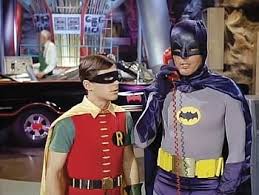
Fig. 1: The Batcave
The show ran for 120 episodes on the ABC network across three seasons, from January 12, 1966, to March 14, 1968. It used a unique twice-weekly schedule for its first two seasons before switching to once a week for season three. They even released a full-length movie in 1966 between seasons one and two to cash in on the craze. The show is famous for its bright pop-art style, colorful comic-book graphics on screen, highly saturated primary colors, and giant, stylized props. This specific style of camp gave television a radical alternative to standard prime-time shows of the era, which were crowded with diverse genres, including science fiction, family sitcoms, daytime melodramas, and fantasy comedies.
When ABC was developing the show, they put the Batman pilot in front of test audiences to see if it would be commercially viable. Network researchers used a real-time dial-tracking machine to see how much people liked it. To test the equipment, they first showed a Mr. Magoo cartoon, which scored exceptionally well. But when the Batman pilot finished, it got a terrible score in the upper forties, way below the mid-sixties score that network pilots needed to get on the air.
The historical audience test screenings for the 1966 Batman pilot were commissioned and overseen internally by the ABC Television Network’s Research Department (“The Pilot Audience Report”). The test audience completely missed the show’s ironic tone. On the other hand, the actual viewing public—who had been watching weeks of clever commercials that set up the show’s humor, loved it immediately and turned it into an instant hit (Masi).
The visual style of Batman was purposefully designed to break away from regular television realism. The camera operators regularly tilted the camera sideways, a technique known as the Dutch tilt, while using extreme high and low angles. They did this almost exclusively inside the villains’ hideouts to give the show a surreal, comic-book look. This off-kilter framing worked as a literal visual metaphor, constantly reminding the audience that the bad guys were morally and structurally “crooked”. A perfect example of this occurs in the episode “The Joker Is Wild” inside the Joker’s lair. The scene is shot at a sharp Dutch angle inside an abandoned toy factory. The crooked framing emphasizes the Joker’s manic energy and his henchman’s visual chaos.
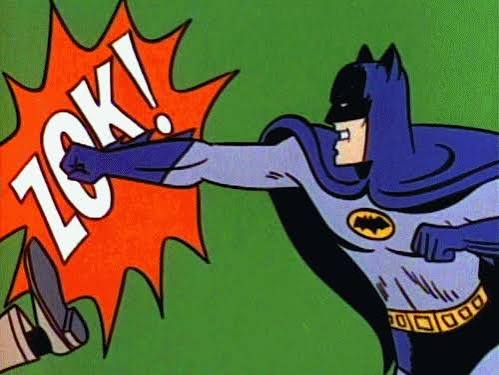
Fig. 2: Still from the Batman title sequence
The long-lasting legacy of Batman comes down to its incredible acting style. As media critic James Greene Jr. notes, Adam West and Burt Ward are so natural, so genuine, as Bruce Wayne and Dick Grayson you almost wish the series had dialed down the costumed hijinks and focused more on life above the Batcave (Greene). This total commitment to being serious extended past the heroes to the iconic villains.
This deadpan gravity is immortalized in the famous shark repellent spray scene from the 1966 movie (Batman: The Movie). Hanging upside down from a helicopter ladder with a rubber shark clamped onto his leg, Adam West maintains absolute, unyielding solemnity as he barks commands down to Burt Ward, who scrambles around the Batcopter cockpit searching for the specifically labeled Shark Repellent Bat-Spray. It is so ridiculous, but he plays it so straight that you believe what he’s doing.
This same level of commitment applied to the show’s celebrated guest stars like Cesar Romero, Burgess Meredith, and Julie Newmar, who performed their villainy with absolute gravity. The villains had total conviction, took their evil plans seriously, and never treated the show like a joke. This serious tone was highlighted even more by fun celebrity window cameos from stars like Jerry Lewis, Dick Clark, and Sammy Davis Jr., plus a crossover with The Green Hornet and Kato.
The comedy in Batman functioned so effectively because of this great contrast: the actors played it completely straight while standing in a bright, wild, pop-art world. This design gave the show a highly successful dual address. It worked as a high-stakes, real action show for kids, while working at the exact same time as a sophisticated comedy parody for adults. By offering an easy-to-watch, funny experience for the whole family, Batman succeeded as a multi-generational hit that proved network data metrics simply cannot understand style and subversion.
Batman has been a staple for people for over 50 years. From the campy style to the iconic visual bursts of wham, pow, and bam, Adam West and the rest of the characters charmed their way right into your home.
___________________________________________________________________________________________________________________
Gary Miceli is a film historian and media scholar with a deep passion for all eras of cinema, specializing in vintage and classic film history. His research spans diverse eras of filmmaking and television, exploring the evolution of production design, industrial economic structures, and cultural reception across cinematic history.
References
Batman. Created by William Dozier, Twentieth Century Fox Television / ABC, 1966-1968 (Batman 60s… p. 5).
Batman: The Movie. Directed by Leslie H. Martinson, Twentieth Century Fox, 1966 (Batman 60s… p. 5).
Greene, James, Jr. “POW! BAM! ZOK!: An Unsolicited and Sadly Thorough Review of Batman ’66 Season One.” JG2LAND, 30 July 2015, blogspot.com (Batman 60s… p. 5).
Masi, Vincenza. “15 Campy Facts About Batman.” Mental Floss, 11 Jan. 2016, mentalfloss.com (Batman 60s… p. 5).
“The Pilot Audience Report: Why Did Batman Seem ‘Kind of Stupid’?” To The Batpoles! Batman 1966, 12 Oct. 2023, libsyn.com (Batman 60s… p. 6).